By Jack W. Horn
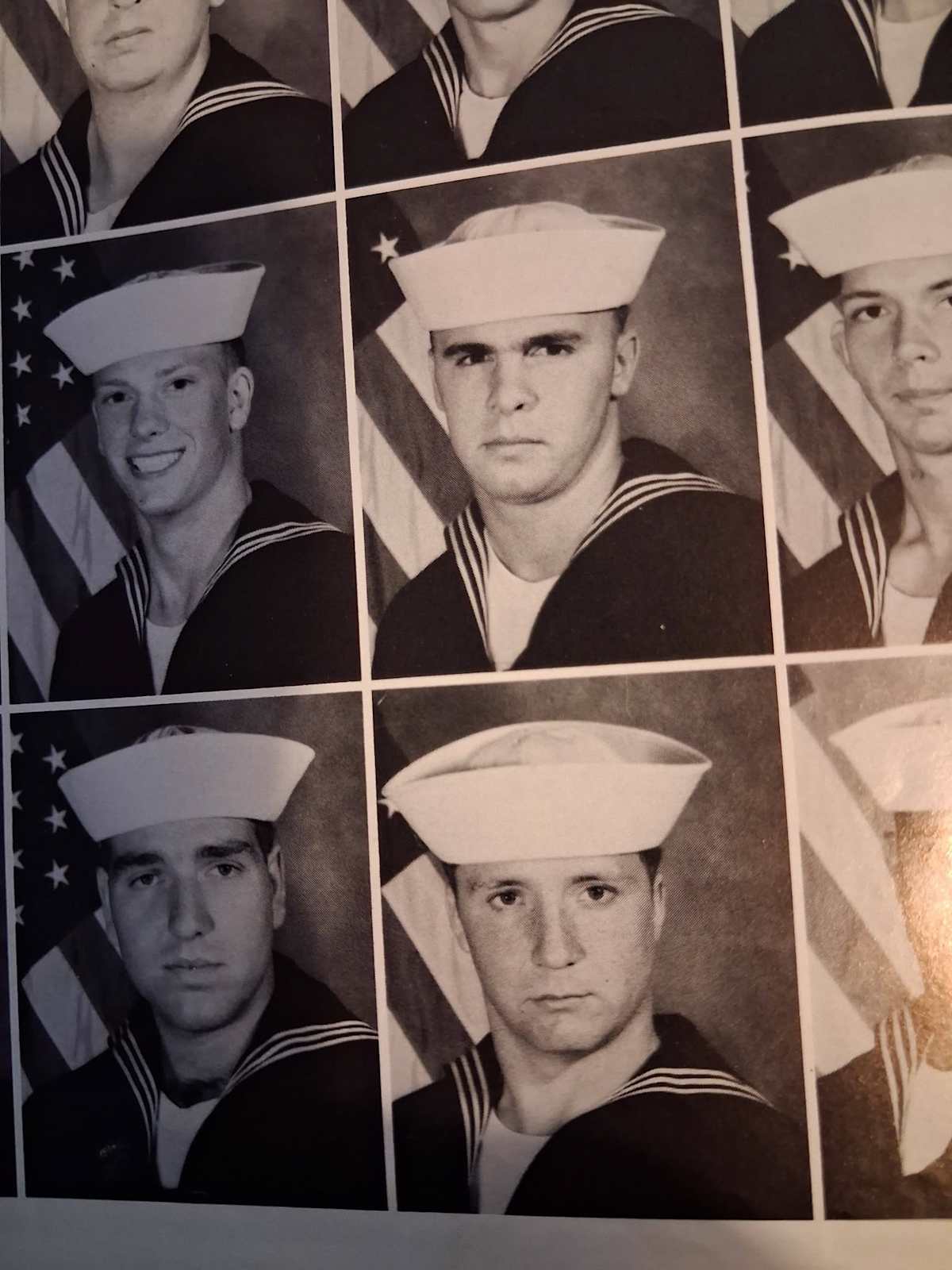
I was nineteen years old on December 23rd, 1985, stepping onto a jetliner bound for San Diego with one intention in my heart to become a Navy SEAL. The flight was peaceful, the countryside calm beneath me, but the moment we landed at 0900, everything changed. The company commanders were waiting, and they weren’t there to shake hands. We were ordered onto black tiles, legs crossed, heads locked forward. Questions stopped. Orders began. The first thing I heard in San Diego was a commander screaming in my ear not to turn my head. Life had shifted, and I felt it instantly.
Training was hard, loud, relentless. Pushups for grammar mistakes. Marching in squares. Learning discipline from men who came from the Philippines, men who pushed us to defend our country and then hugged us when we earned their respect. They taught me something deeper than toughness: that people from all corners of the world fight for the United States because freedom lets us pray to any Lord we choose. That peace and love exist everywhere if you look for them.
After basic training, I went to Chicago with three other sailors. It was fourteen below zero, and two of my buddies from the Philippines had never seen ice like that. I was from Colorado, so I became the teacher for once. In school I learned boilers, water, chemistry and I learned what it felt like to ask a question without dropping for seventy‑five pushups.
But the SEAL in me didn’t disappear. One night I climbed out of my dorm window and spent hours playing hide‑and-seek with eight security guards who had no idea where I’d gone. At sunrise I slipped back into my bunk for five minutes before quarters. I was still wired for a different kind of duty. I even tied up sailors who skipped training and dragged them back to base until they told me, “Jack, you don’t need to do that.” But mentally, I was still part of another world.
After technical training, I was sent to Charleston, South Carolina, where the USS William V. Pratt was docked. On my first day onboard, a big boiler technician grabbed me from behind. I flipped over him and suplexed him before he knew what happened. That set the tone.
Then I met the Senior Chief Lucifer, as we called him. I got a forty‑five days restriction in the first fifteen minutes for having paint on my pants. They wanted to break the SEAL out of me and turn me into a boiler technician. Lucifer and I battled for two years. I got restrictions for looking at his men wrong, sometimes just for the grin on my face.
Two years later, the SEALs came to my ship and asked me to re‑enlist. After everything, I rang the bell and chose to finish my time as a boiler technician. A first‑class petty officer I respected told me to use my smarts instead of my fists. So I did. I studied boilers until I knew more than most of the thirty men on the crew.
One day I discovered that Lucifer had been stealing tools and hiding them in his garage. That ended his grudge. Knowledge won where muscle never could.
After that, I traveled the world and saw firsthand that love dominates over war wherever you go. I was honorably discharged in 1989 and stayed in Charleston, living peacefully in the woods until Hurricane Hugo carried my tent home somewhere into Oz.
I headed west, chasing dreams of stunt work and adventure, but fate had other plans. At my aunt Jackie’s house, I saw a picture of Darla on the wall. Everyone told me no she was headed for a life of medicine or law, and I was a wandering ex‑SEAL. But six months later, after surviving a childhood no one should face, she fell in love with me. The rest is history. Her soul lives inside Bowl Top Mountain, and now inside the new book we’re writing.
This is why I’m the one to tell a memorial story.
Because I’ve experienced discipline, conflict, danger, peace, loss, wandering, and love.
Because I’ve seen the world at its hardest and its gentlest.
Because I’ve learned that every life mine included carries a story worth preserving.
And because I deeply believe that memories, like mountains, stand tallest when someone is willing to climb them and write them down.
Jack W. Horn